During our first official meeting of the 2025 – 2026 ASC Mentorship cohort, we asked participants to introduce themselves and briefly describe why they applied to the program. Their interests and reasons varied but each response contained the common thread of curiosity. Many people posed questions like:
What is the most effective way to find jobs?
Where can I learn new SciComm skills?
How should I build my professional network?
As each person spoke, I nodded, thinking I know that feeling. When the introductions were complete, I told the group about my motivations to create a professional mentorship program through the Association of Science Communicators (ASC).
“When I quit my job and started out as a freelance science communicator, I had no idea what I was doing,” I said. “I often wish I could go back in time and give my younger self some insight, perspective, and guidance.”
After a decade of freelancing (and almost two decades of working in science communication) one of my biggest take-aways is this: to be effective science communicators, we need to build community. Regardless of your current position – freelancer, full-time employee, student, volunteer – or how long you’ve been working in SciComm, connection matters and collective mindsets benefit everyone. Whether it’s a casual conversation, a formal collaboration, or a simple brainstorming session, engaging with other folks in this field is critical.
Science communication is constantly evolving. Keeping up with trends, effectively utilizing the latest social media platform, figuring out best practices for AI – all of these tasks (and many others) can present us with challenging paths to navigate. And they are excellent reasons to become a member of ASC and attend our annual Science Talk conference.
With the ASC Mentorship program, we want to create a safe space for science communicators (especially those who are just starting out) to set goals and share ambitions as well as discuss insecurities or perceived shortcomings. A designated place for candid conversations about the rewards and challenges that come with building a meaningful career.
As we enter into the third year of the ASC Mentorship program, I’m proud to say this vision is becoming a reality.
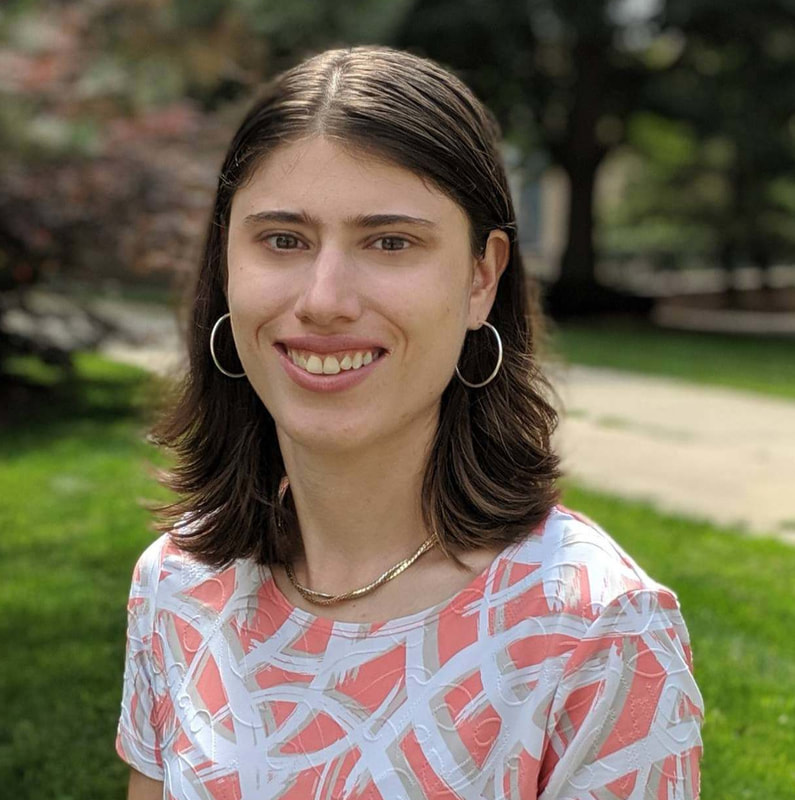
One of our priorities is helping people who are navigating career transitions. Amanda Pluntze, a member of our 2025-2026 cohort, is an excellent example. A mid-career research scientist, Amanda has been working at the same company since she finished grad school a decade ago. She told us she’s ready to make a change and wants to switch into a role focused on SciComm, but she wasn’t sure where to start – until she began meeting with her mentor, Emily Ortman.
“I’m working on a true career pivot, and this gave me a starting point,” Amanda said. “It was really helpful to have someone to bounce ideas off of – from networking to searching the right keywords when I’m looking for jobs.”
Amanda’s work with Emily varied from general brain-storming to learning about different companies and organizations, to refining her CV and cover letters.
“As I find jobs that I might be qualified for, I feel much more prepared to actually apply for them,” Amanda told the cohort during our final meeting.
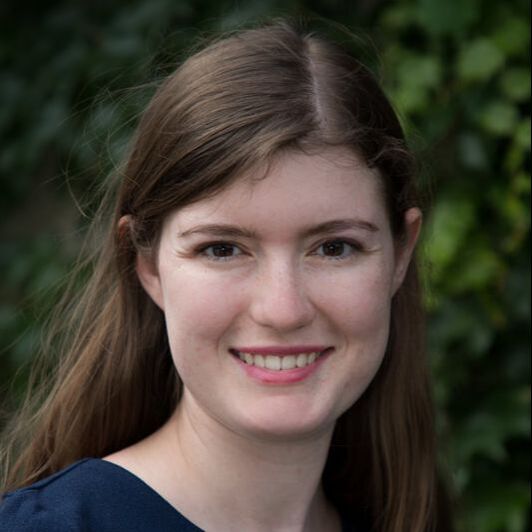
For Emily Ortman, this year marked her second time serving as a mentor in our program. Working for a small nonprofit, Emily doesn’t have opportunities to mentor within her organization. The ASC Mentorship Program gives her a platform to provide guidance and to extend her professional network.
“Like many people in science communications, I didn’t start my career path with this destination in mind, and I’ve had to learn a lot along the way,” Emily said. “I really enjoy helping others on their journey into a field I’ve come to love.”
During the 2025 – 2026 program, our cohort celebrated several exciting moments. Here are just a few highlights: Lizzie Mafrici received a job promotion (!) and her mentor, Rose Basum, helped Lizzie consider her new role and negotiate her salary. Tori Hunt shared some fantastic insights in the January ASC newsletter. Cord Lopez and Matteo Farinella co-wrote and illustrated this excellent blog on the ASC website: Why Science Communication Needs Visuals. During the virtual portion of Science Talk, we hosted a panel where Amanda Pluntze, Matteo Farinella, and Dorea Kleker shared valuable perspectives and answered lots of great questions.
The 10th annual Science Talk conference in Portland marked the conclusion of our program’s second year. During the Friday lunch session, several members of our cohort gathered together to reflect on their experiences and share information with folks interested in learning more about the program. Part of the conversation included this question: should I apply to be a mentor or a mentee?
Jillian Daly offered her insight, explaining that she wasn’t sure whether to apply to the program as mentor or mentee. “I have strong social media skills, but I’ve been wanting to improve my writing and more about learn pitching stories and freelancing,” she said. Jillian ultimately decided to apply as a mentee, which turned out to be very beneficial and rewarding.
“I not only gained a mentor who acted as an accountability buddy to help me develop my writing skills and discover resources, but I also got to share some of my expertise in social media,” Jillian said. “I would encourage anyone to apply if there are certain skills you want to develop that may not be your primary focus. The program allows you to set aside time to work on learning new things and network with other science communicators.”
We are very excited to start planning our third year of ASC Mentorship. Applications for our next cohort will open in mid-June and the program will officially begin in September 2026. Help us spread the word by sharing this blog!
————
To learn more, check out ASC Mentorship.
Questions about the program? Send a message to Mentorship Director Marley Parker at marley@sciencecomm.org
Leave a Reply